01
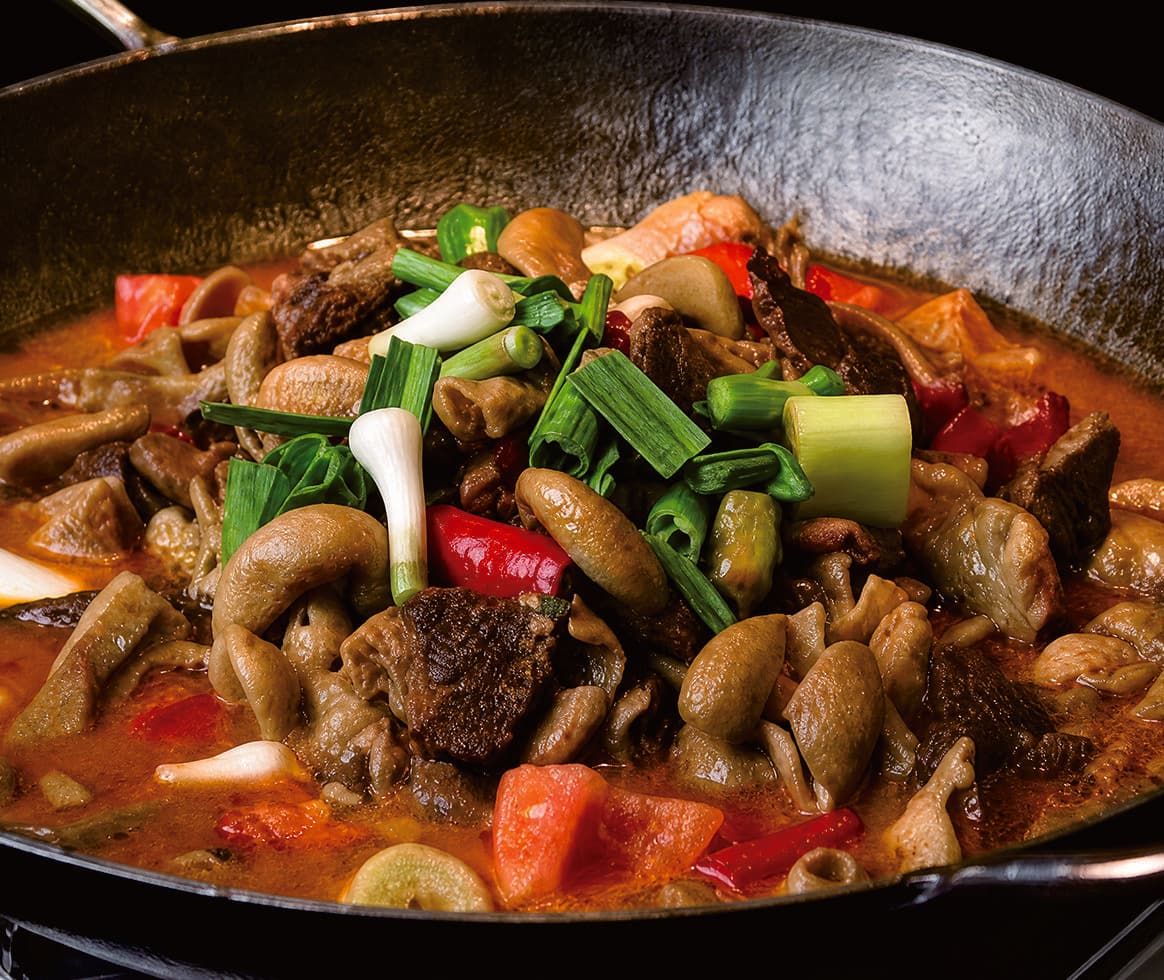
Tujia Mixed Dish
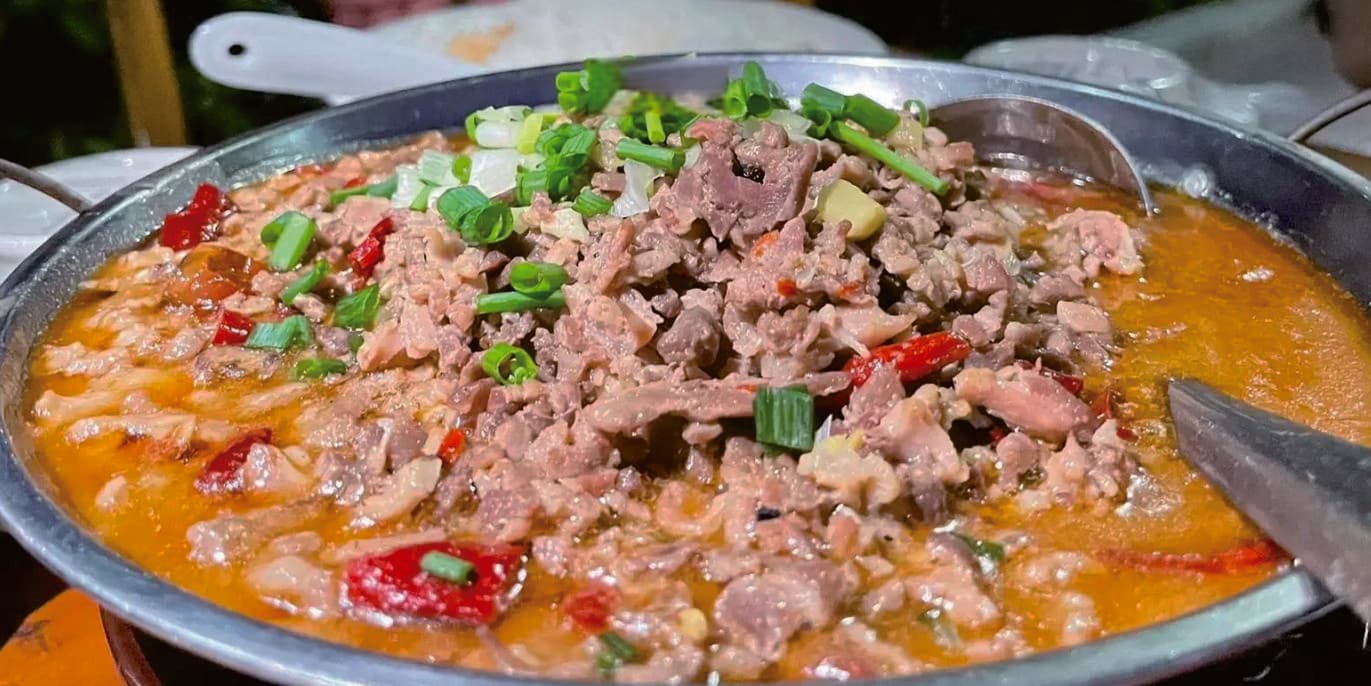
A robust combination of pork offal, beef or lamb tripe and other meats. Ask for the exact preparation before ordering.
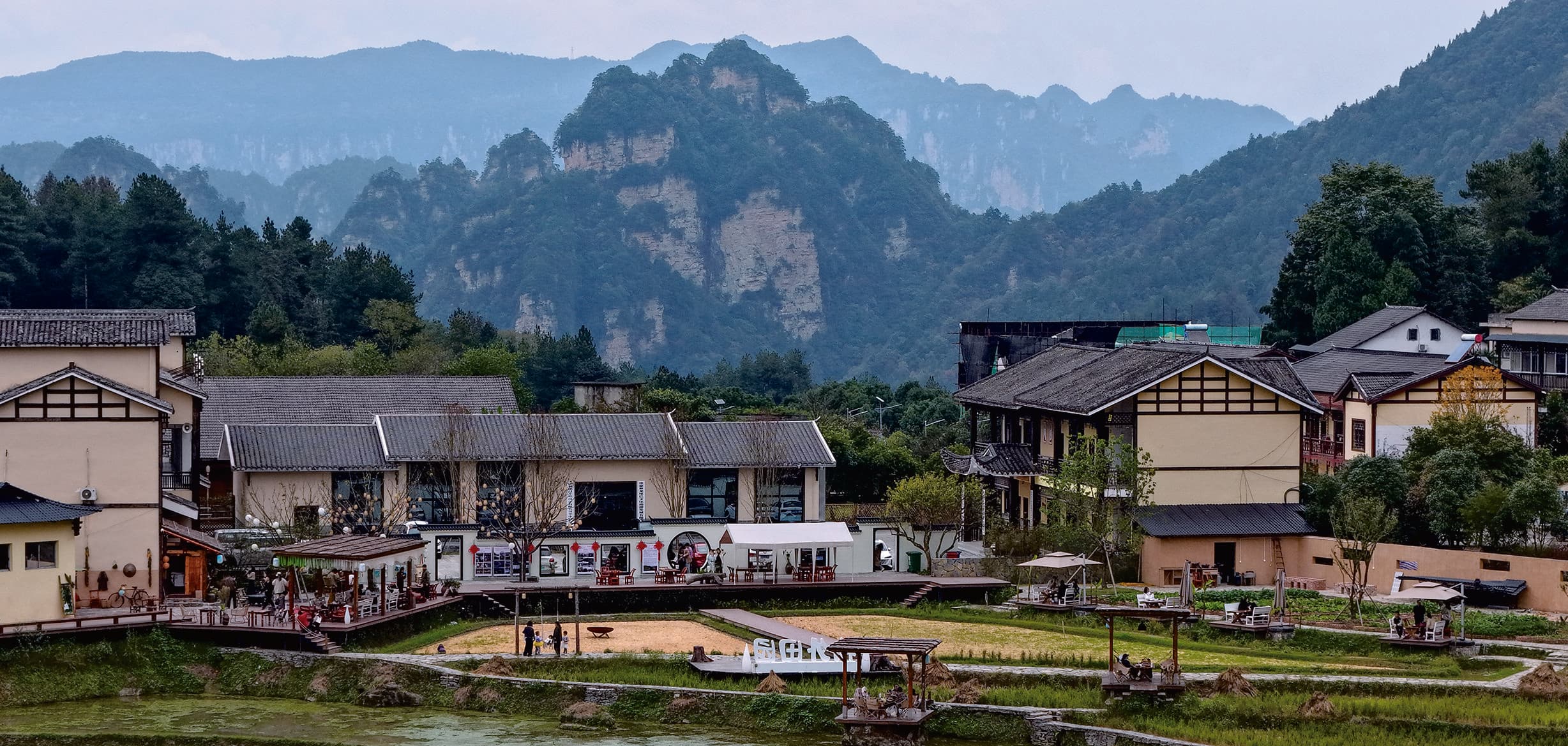
Live a little closer to the place
Read the landscape through its kitchens, choose a base that fits the route, and know what a meaningful local find looks like.
Begin with the tableWulingyuan · Official Tour Guide Manual · PDF page 53
A local-life field guide
Ask what belongs naturally beside your route: a meal that suits the group, a base that reduces transfers, or a craft with a traceable local story. That turns a list of recommendations into a coherent journey.
01 · At the local table
Traditional Zhangjiajie cooking can be smoky, richly seasoned and meat-forward. Use the names as a conversation starter, then ask what is actually in the pot.
A robust combination of pork offal, beef or lamb tripe and other meats. Ask for the exact preparation before ordering.
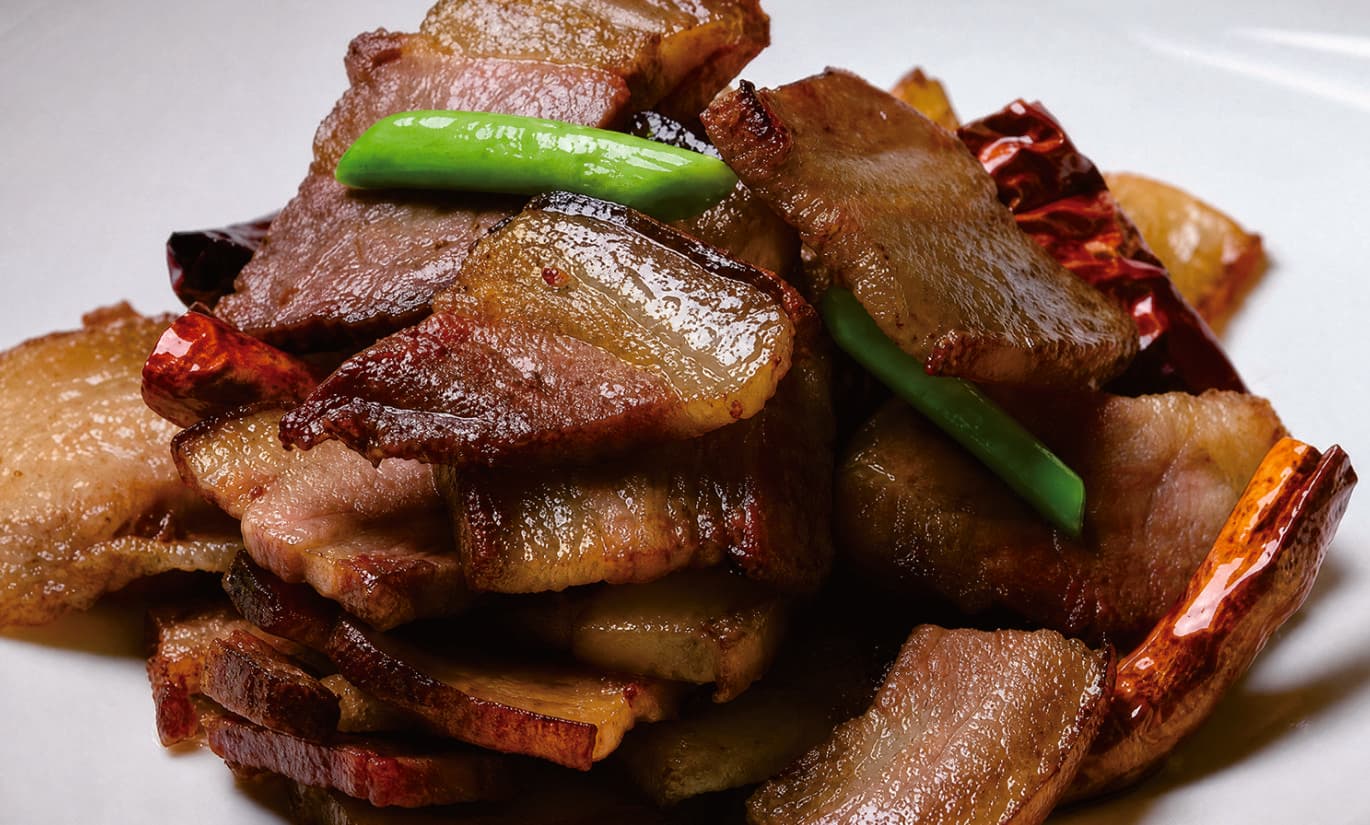
Smoked and cured pork is a recurring local flavour, commonly cooked with seasonal vegetables.
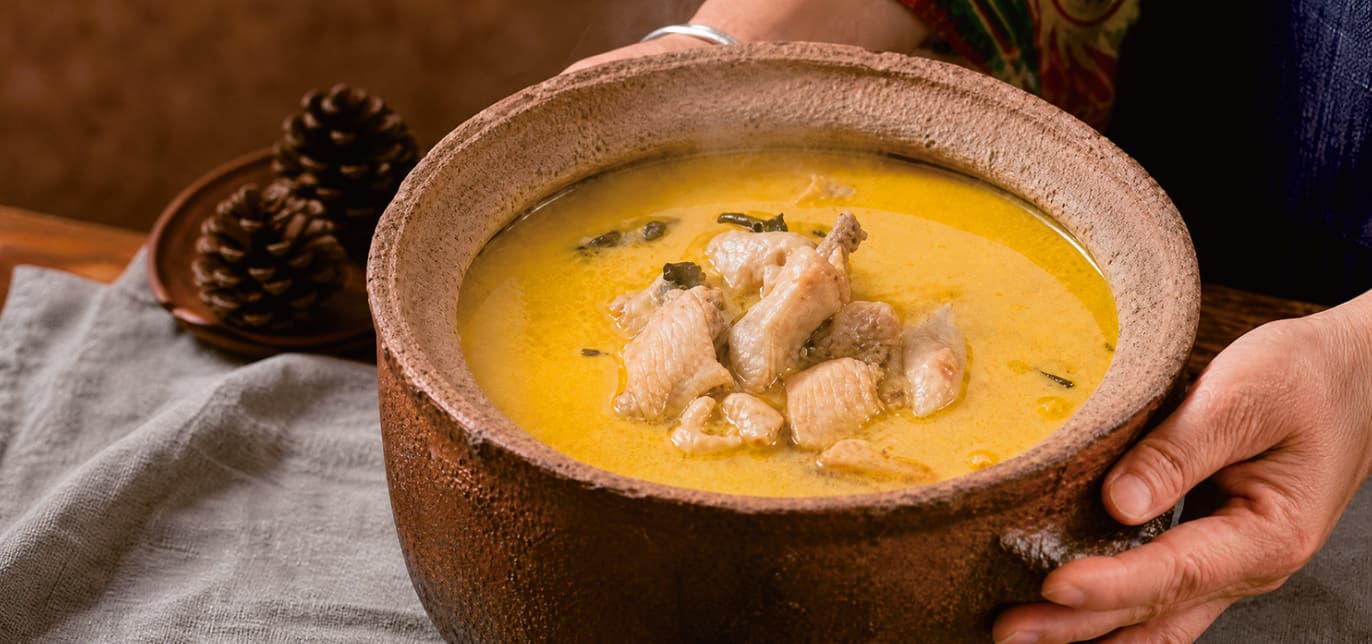
Free-range chicken and locally gathered rock tripe are slowly stewed together.
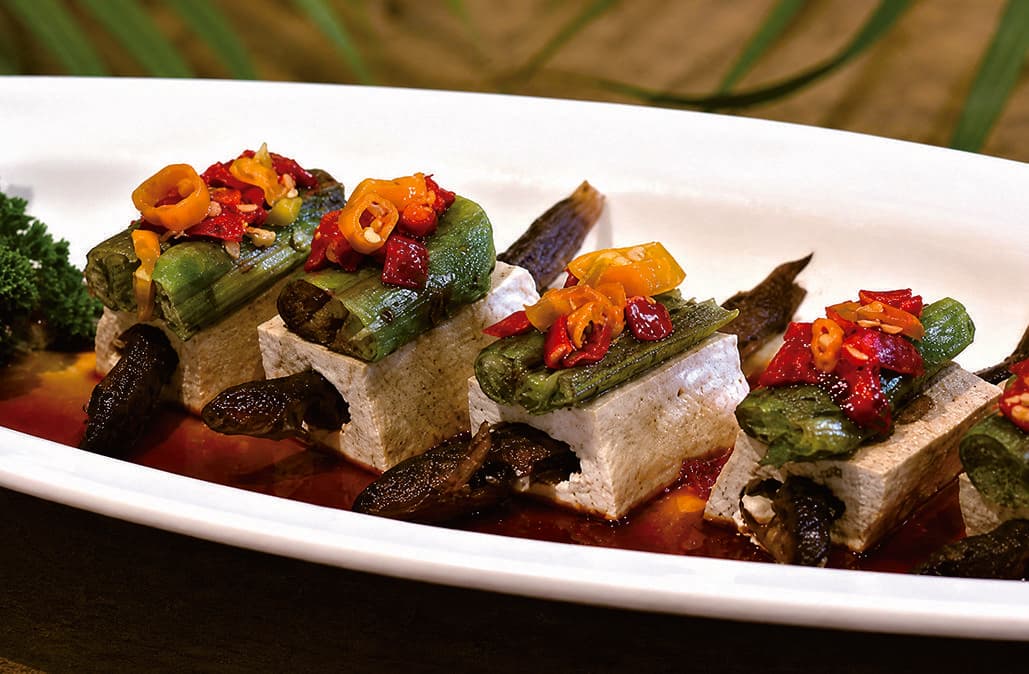
A soft, savoury combination of freshwater loach and tofu documented by the manual.
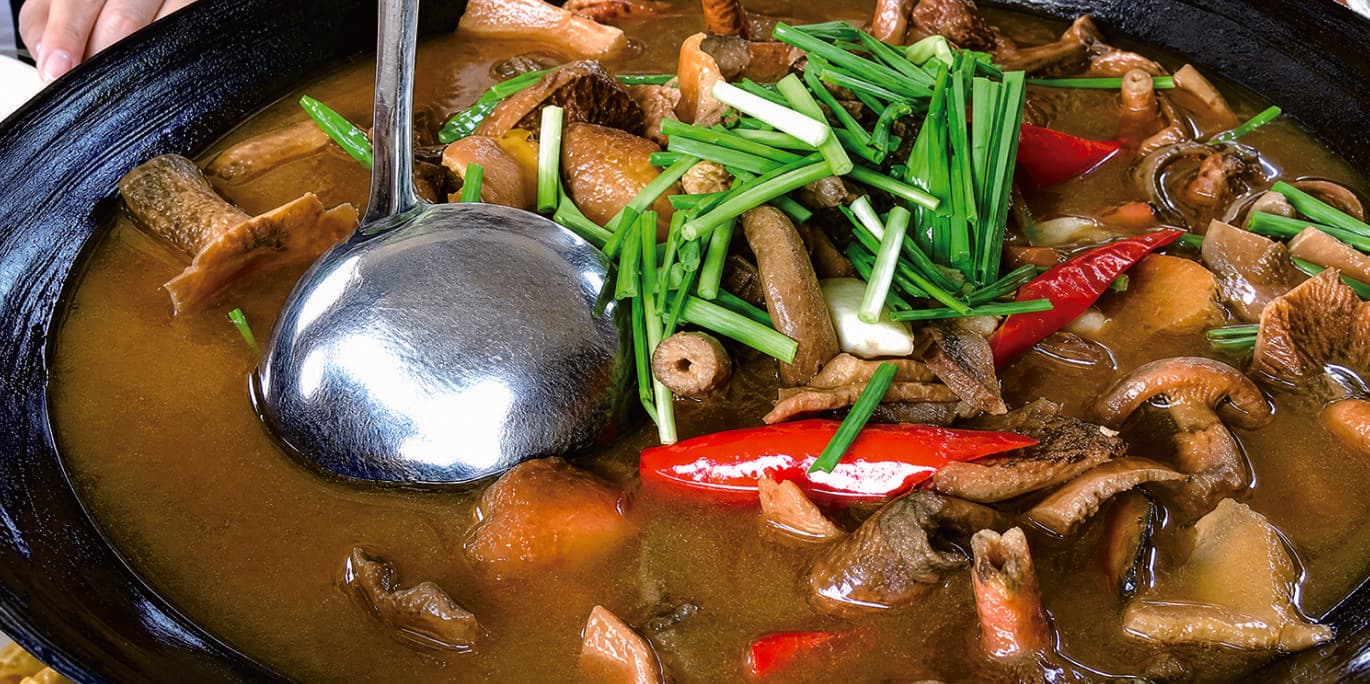
Cured meat paired with saffron milk cap mushrooms for a deeply savoury dish.
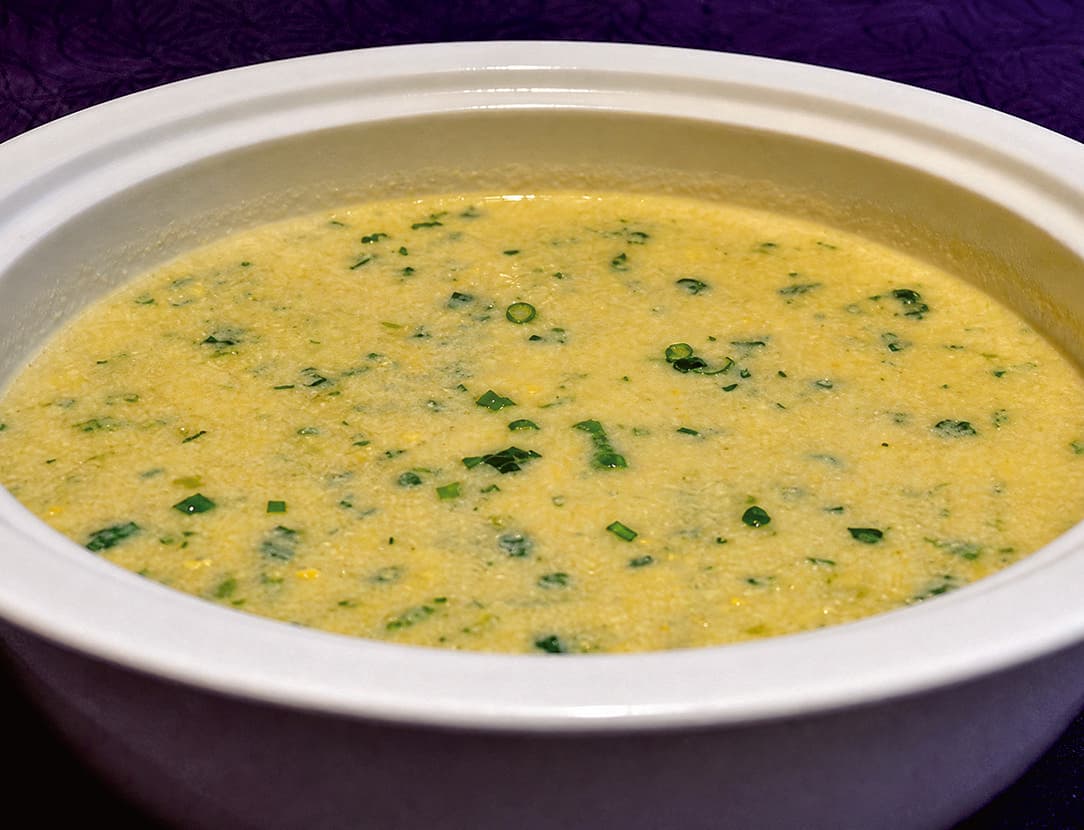
A Tujia staple made from ground soybeans and vegetables, with texture varying by kitchen.
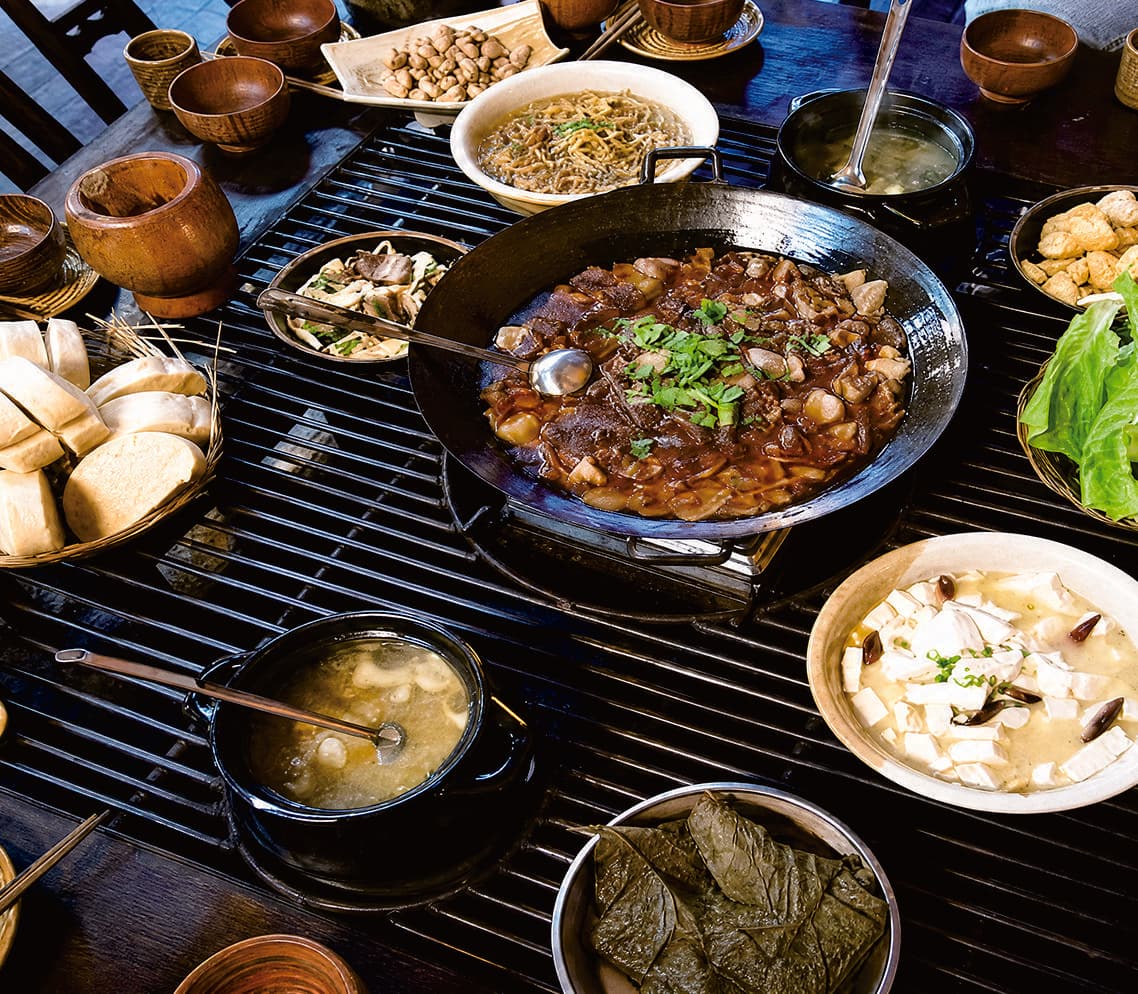
A generous mixed stew whose ingredients can change; confirm meats and spice level at the table.
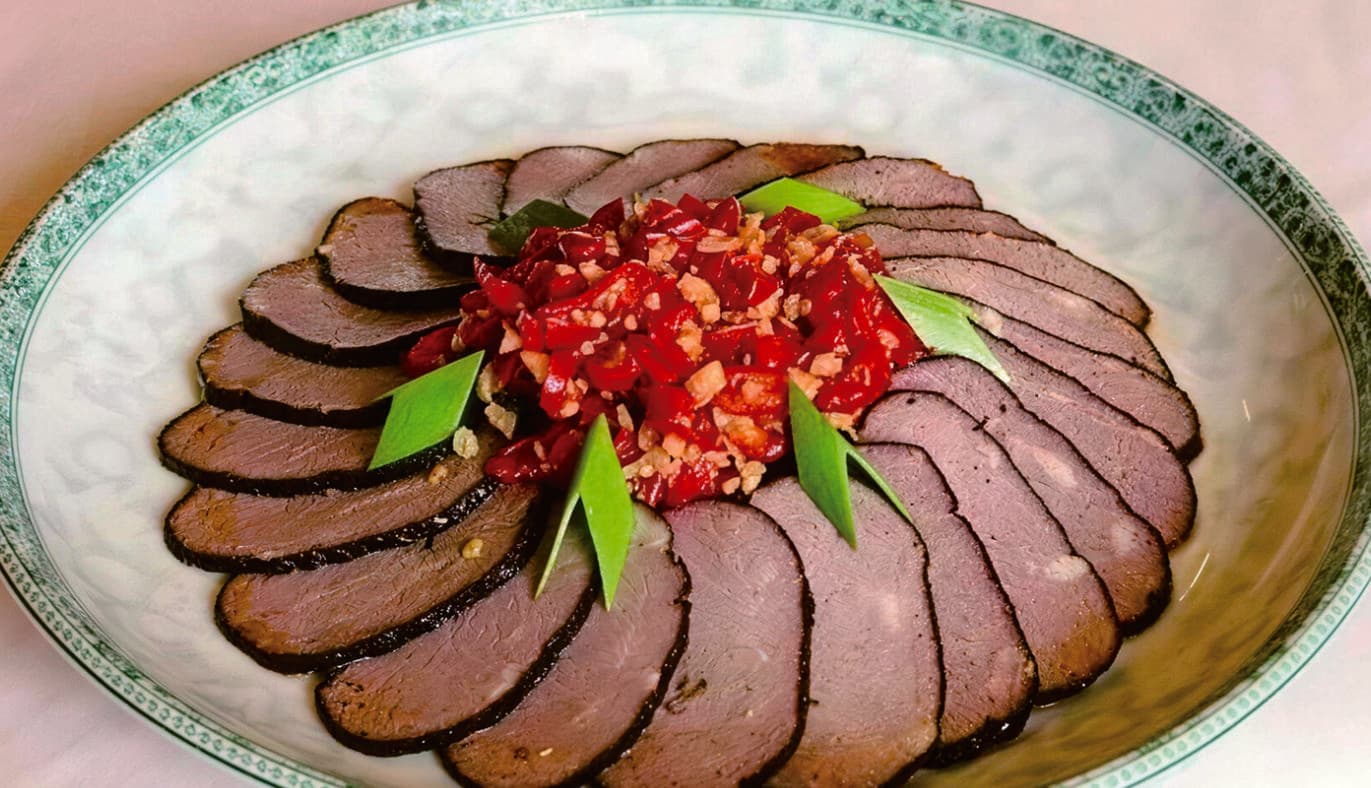
Finely cut pork tripe stir-fried for a crisp, strongly seasoned local plate.
A traditional cured food made with tofu and pork blood; not suitable for every dietary need.
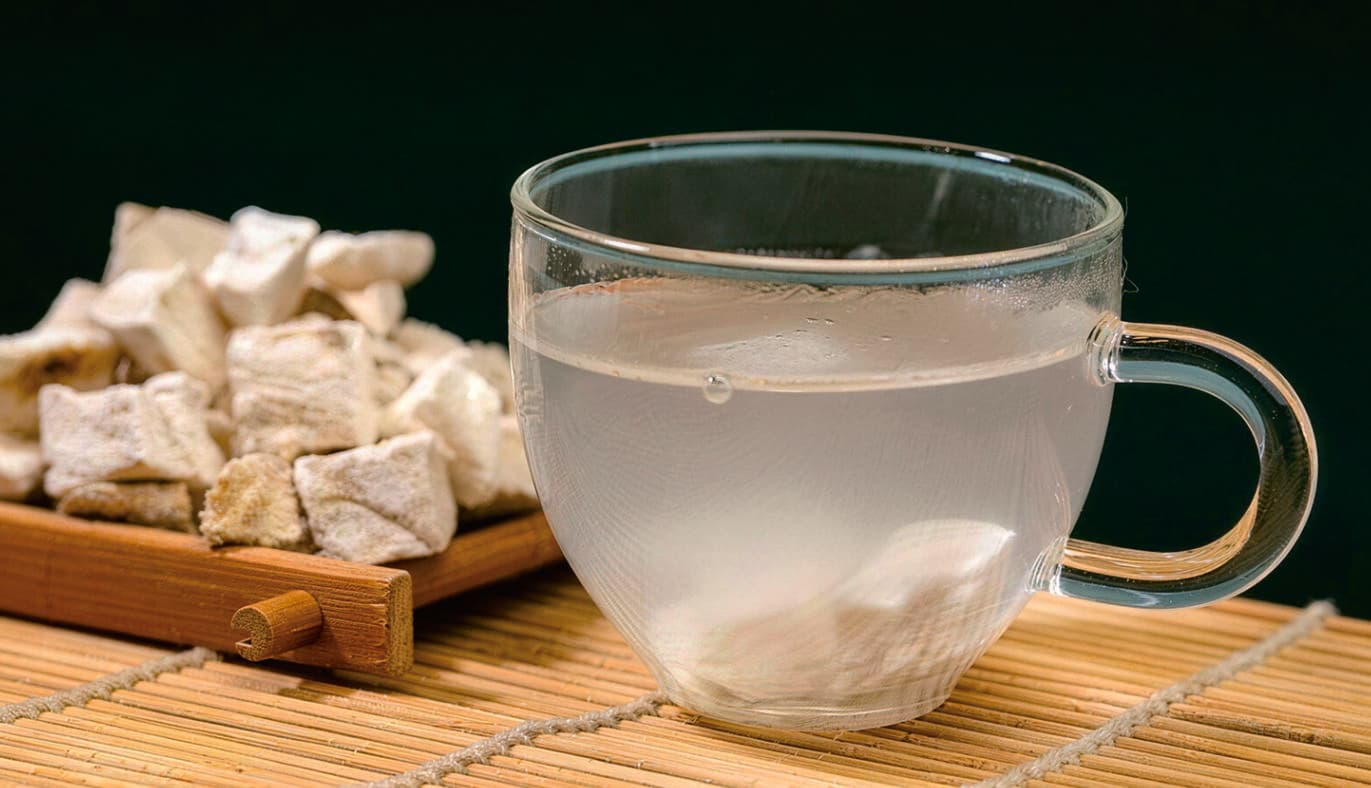
Prepared as a smooth, translucent bowl that can be served sweet or lightly flavoured.
02 · Choose the base
The manual presents Wulingyuan as the practical visitor base and Longweiba as a quieter rural setting. The right choice depends on gate access, transfers and the pace you want after dark.

Use the urban area when early scenic access, transport connections and a wider choice of everyday services matter most.

A hillside and village atmosphere can add breathing room, provided the transfer plan fits the day.
03 · Bring home the story
Look for clear provenance, ingredients and care instructions. Cultural connection is more useful than an unverified health claim or a generic souvenir label.
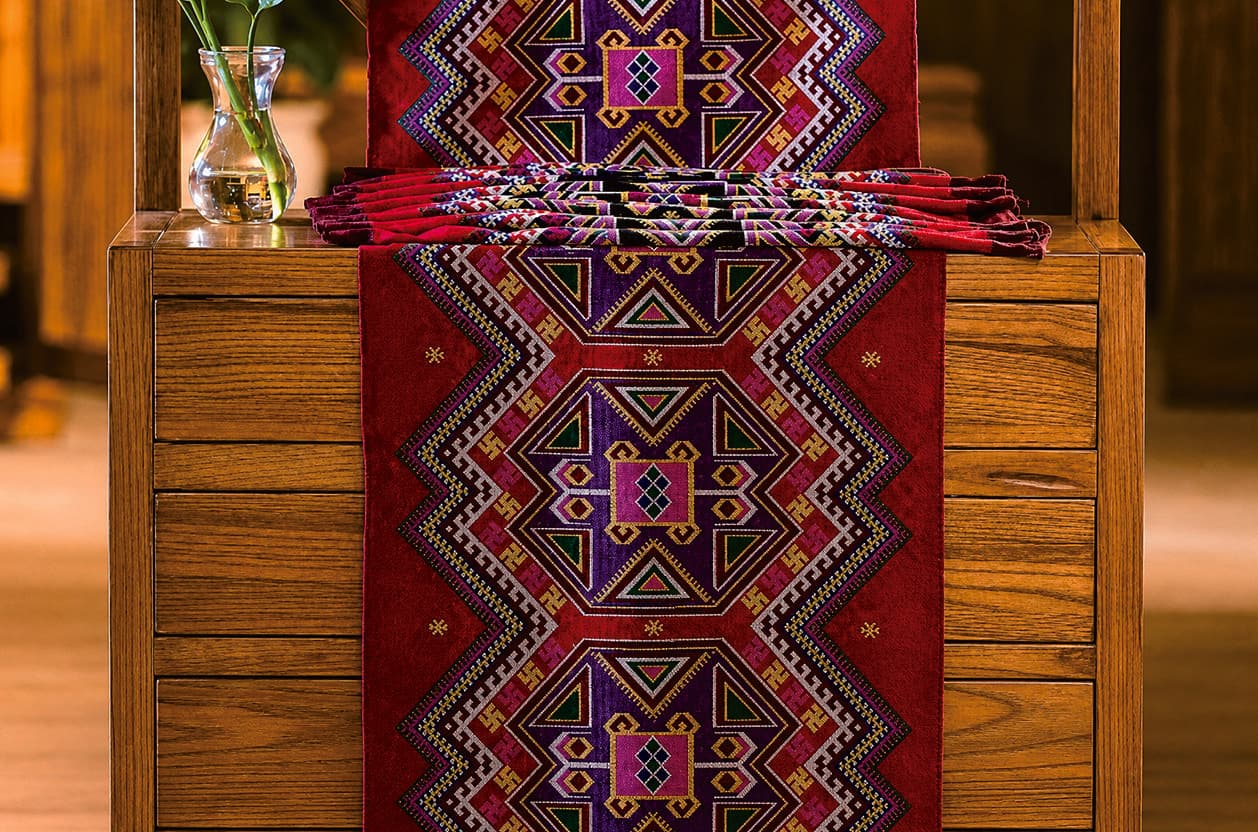
Known locally as Xilankapu, with bold geometric pattern and colour.
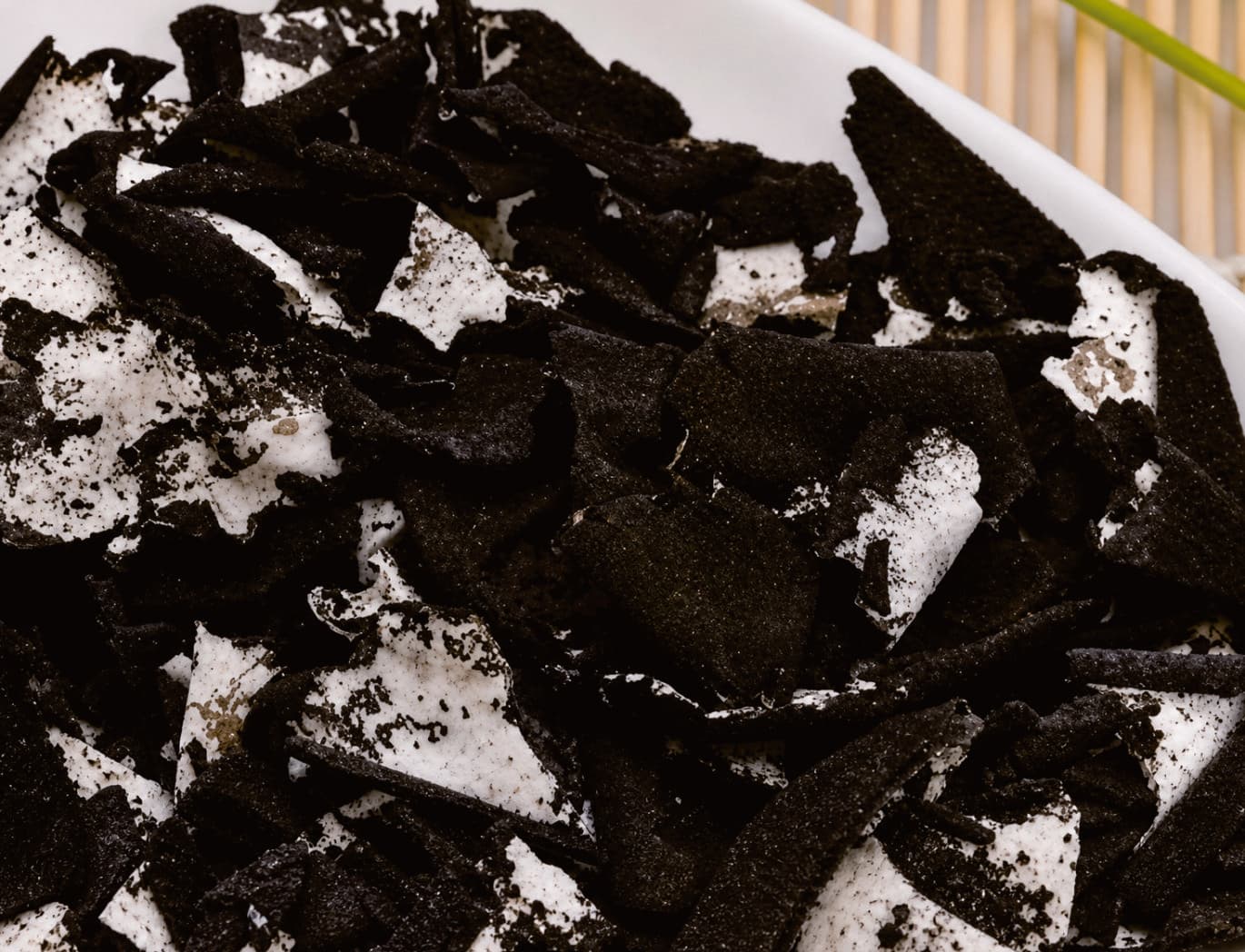
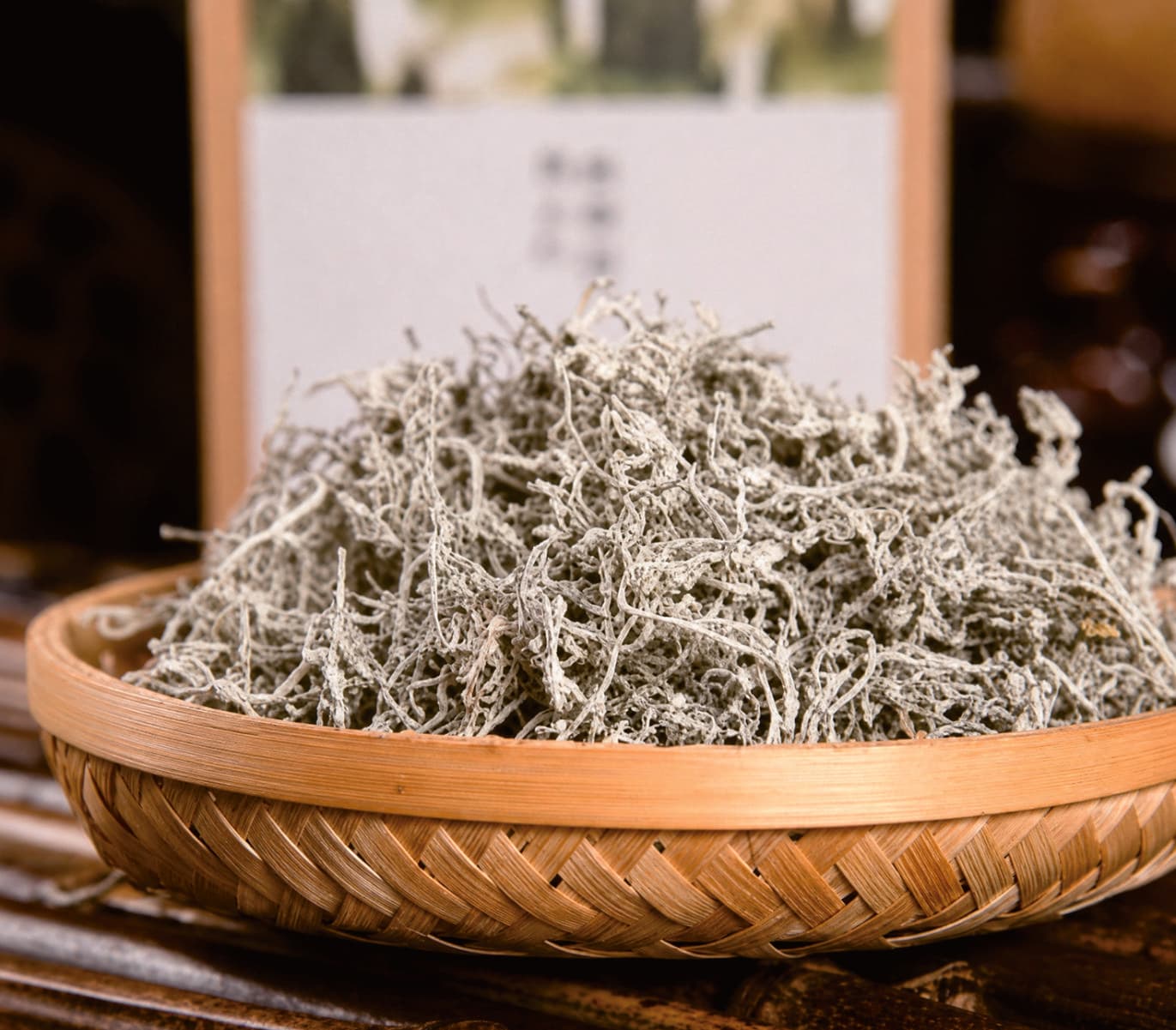
A dried mountain ingredient also used in local stews.
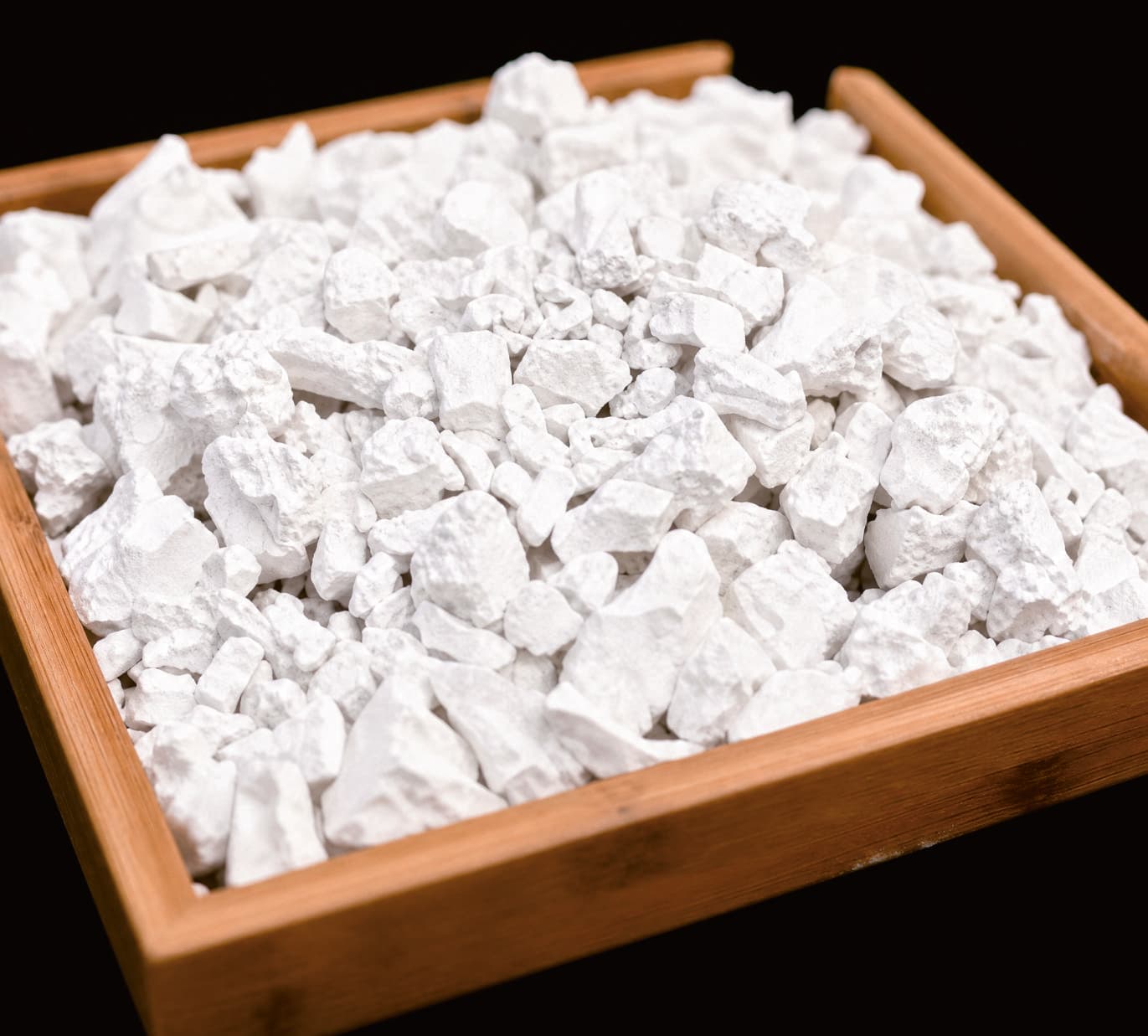
Check the ingredient label and preparation instructions before buying.
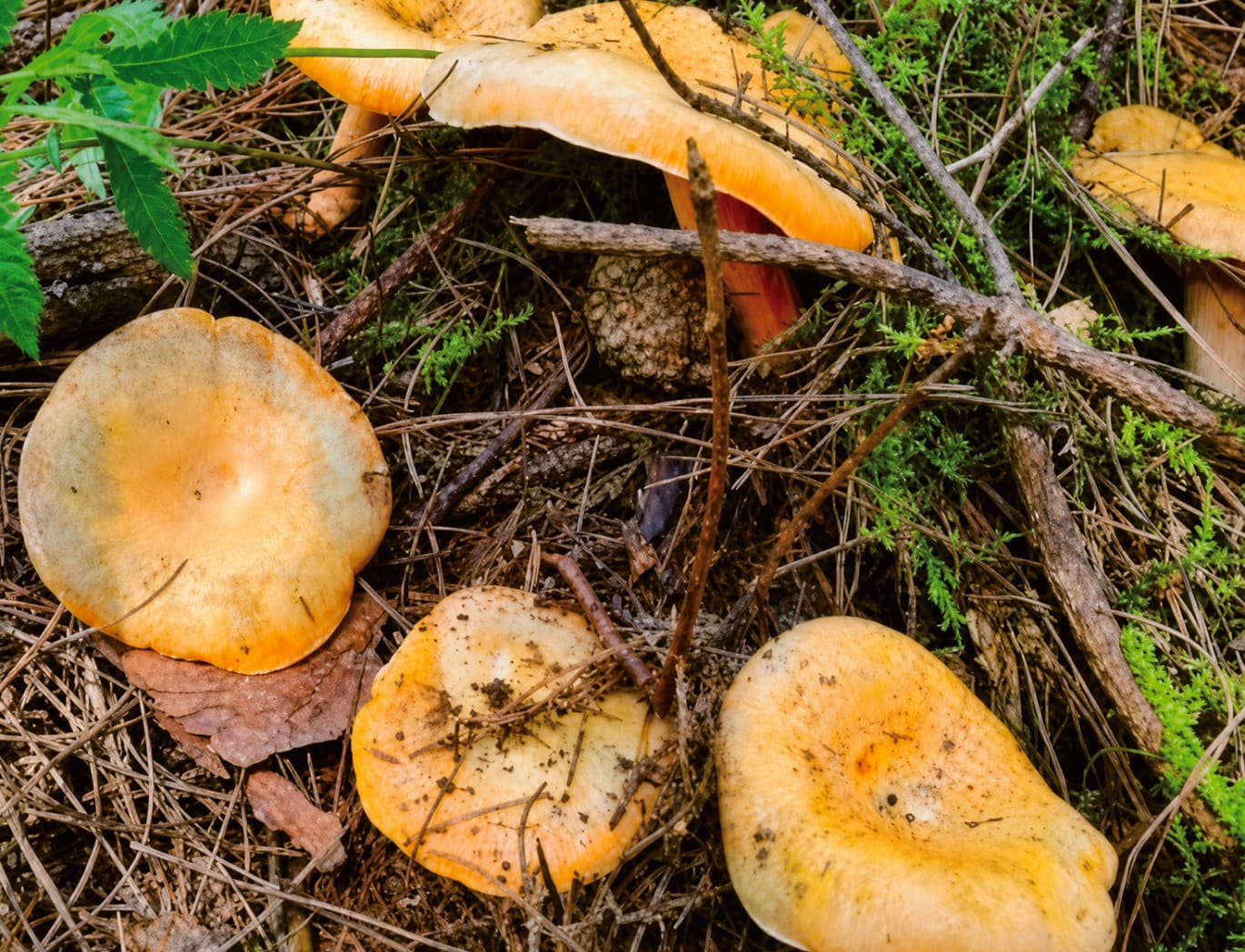
A local mushroom product; confirm provenance and storage guidance.
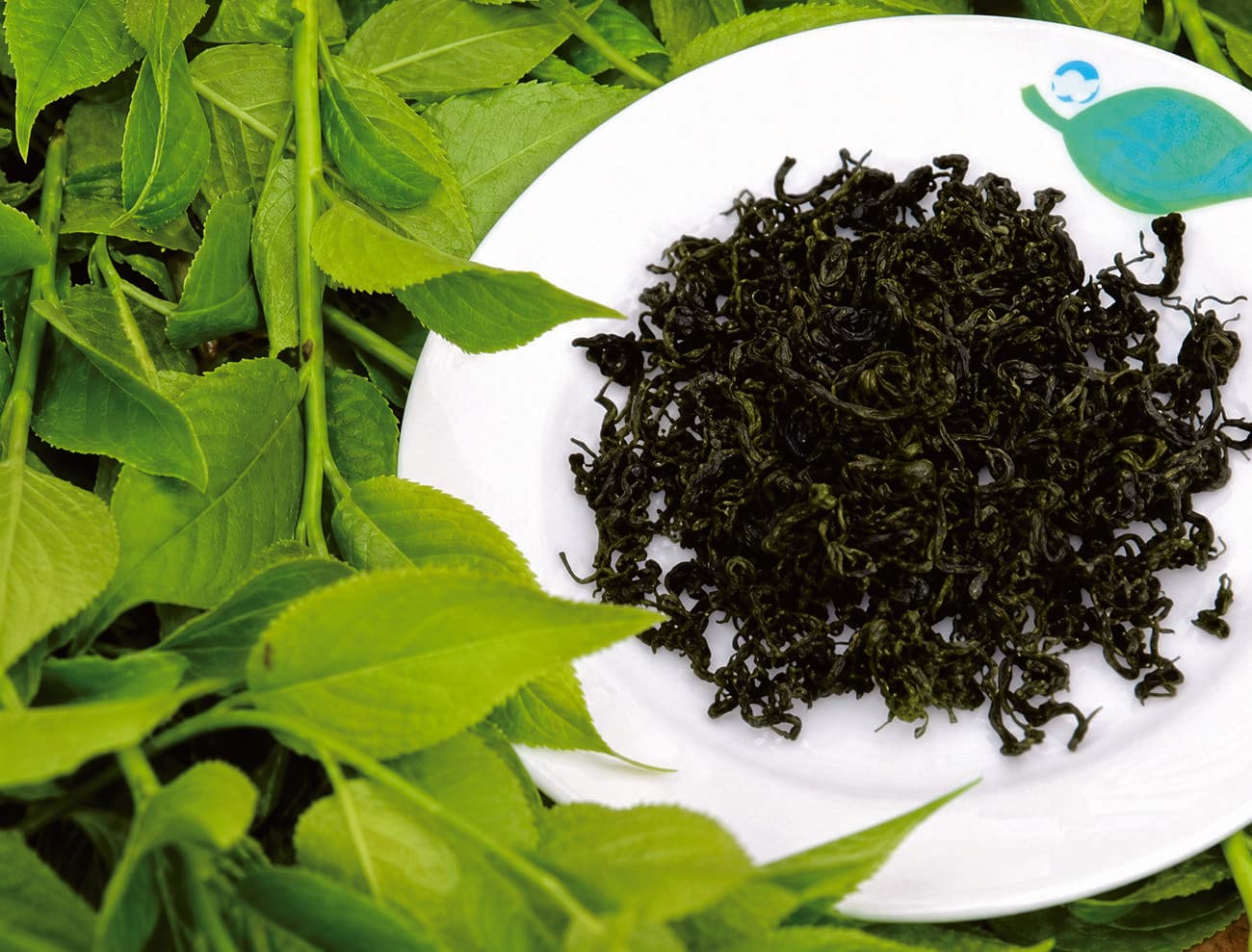
Ask about ingredients, packaging and destination import restrictions.
A locally documented tea product; treat medicinal claims with caution.
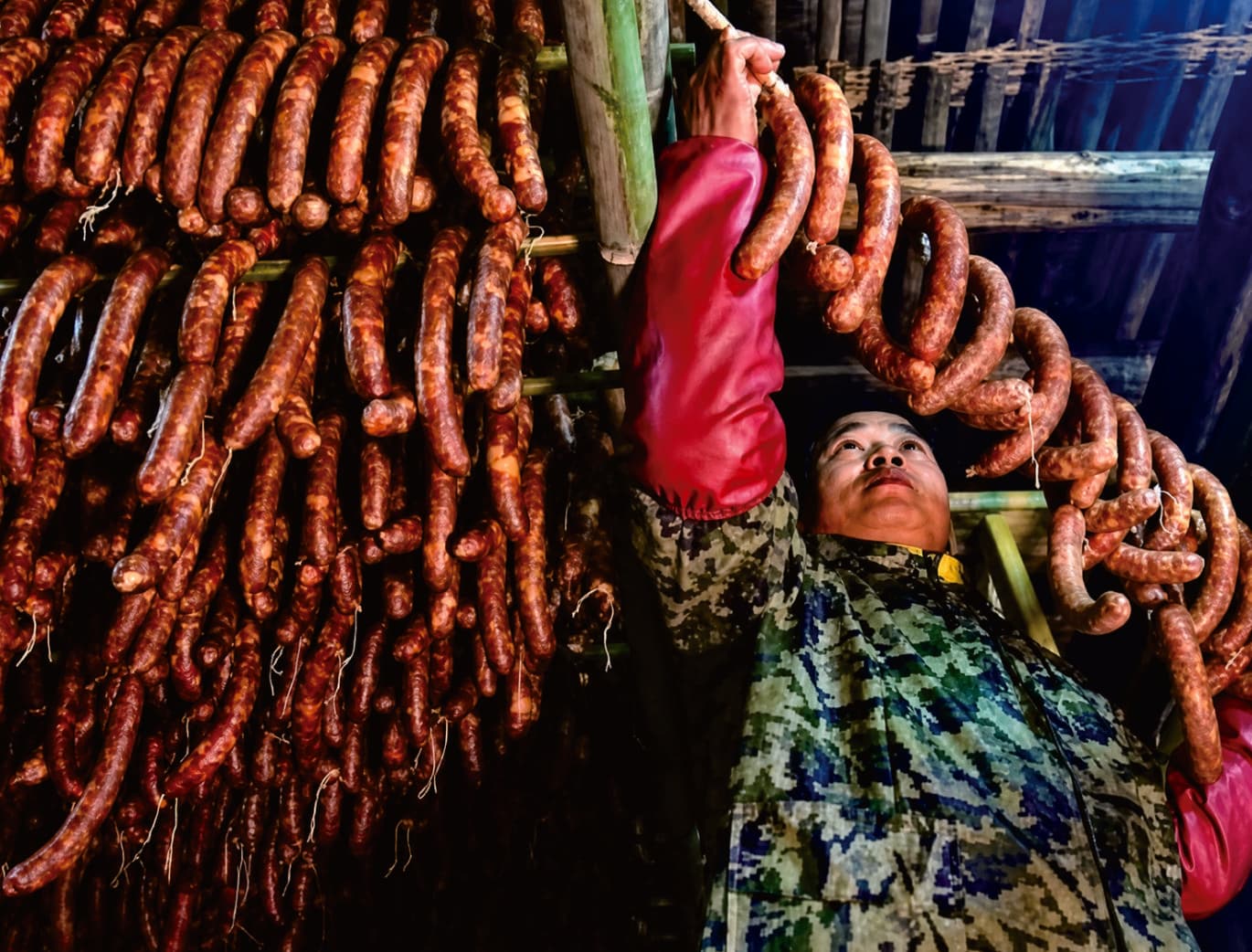
Verify the product label and do not assume health claims are medical advice.
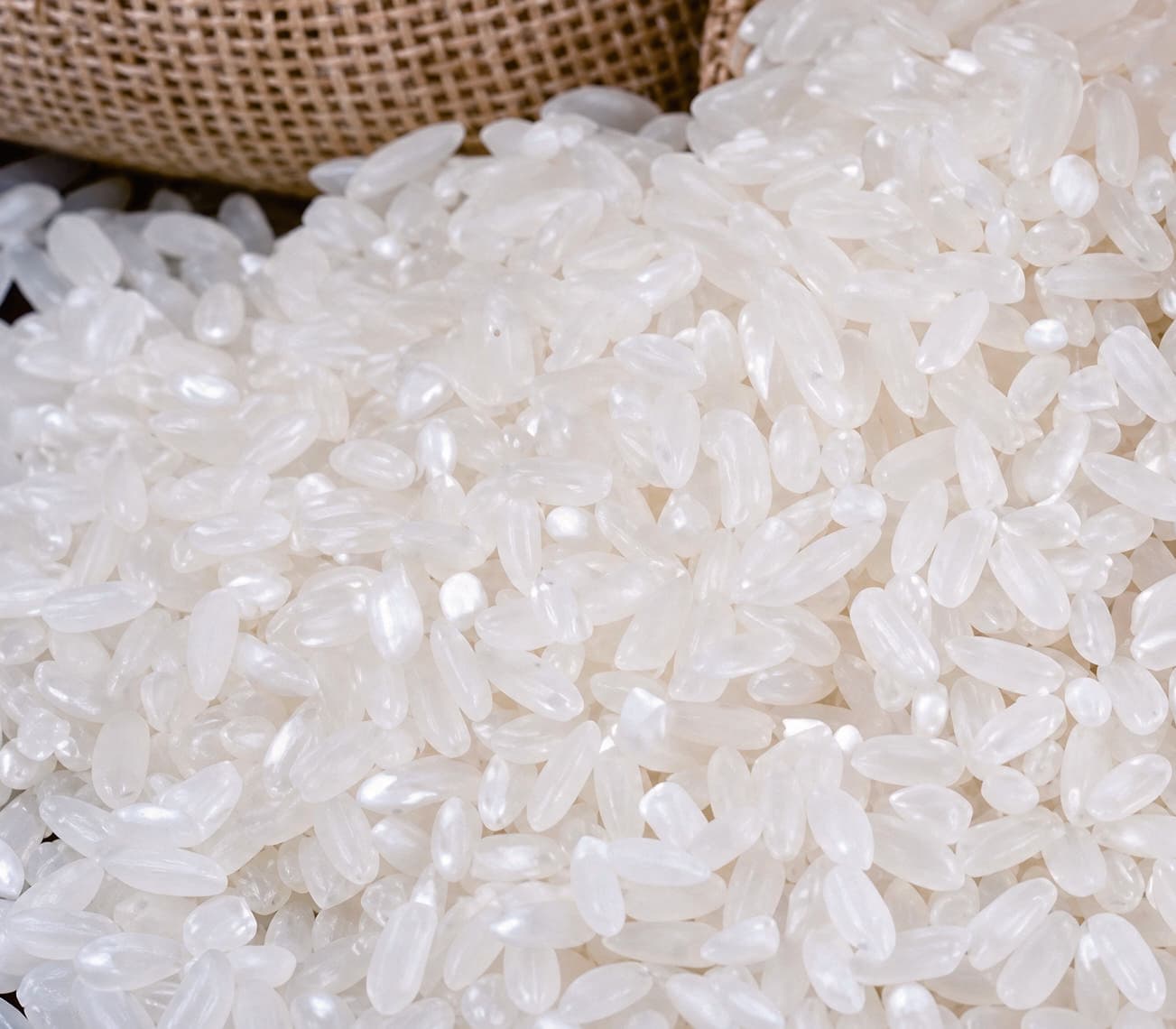
A regional rice documented by the manual; check origin and current labelling.
04 · Connect it to the route
Tell us your arrival, pace and dietary needs. We will place the local-life details where they support the journey instead of competing with it.