Weather & seasonal rhythm
When to Visit Zhangjiajie
There is no single perfect month. Choose the landscape mood and walking conditions you value, then keep the route flexible around the real forecast.
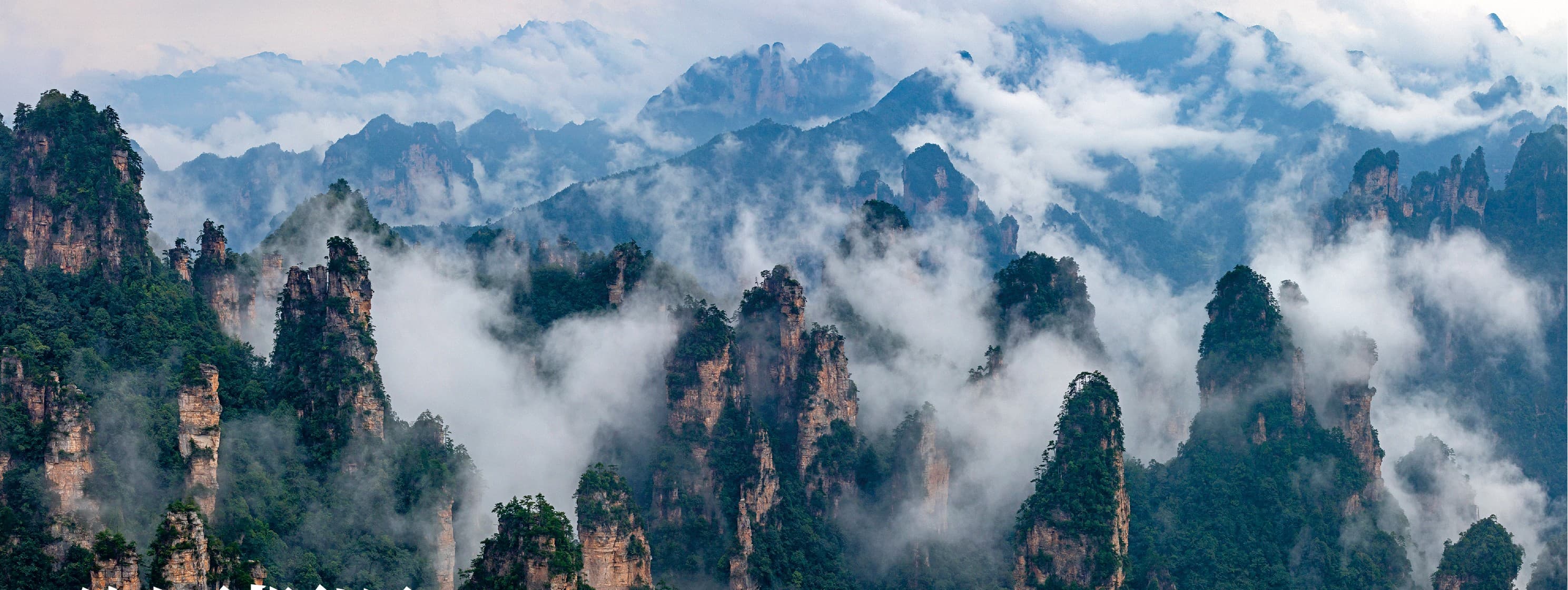
Zhangjiajie is a mid-subtropical mountain landscape with four distinct seasons. Its pillars, valleys and forest routes change character with rain, humidity, cloud and light - sometimes within the same day.
The official climate baseline
Read the pattern, not a promise.
The official manual gives a park-wide climate baseline. These figures describe the wider pattern; they are not a forecast for a particular viewpoint or travel date.
A year in four rhythms
Choose the feeling you want from the mountains.
Each season can work. The better question is whether you prefer fresh growth, dense summer green, cooler walking conditions or a quieter cold-weather atmosphere.
Fresh forest, changing skies
Expect a changeable mountain rhythm. Rain and cloud can soften long views, while breaks in the weather can reveal layered peaks.
- Build flexibility into photography days
- Carry a light waterproof layer
- Keep one lower-elevation option ready
Deep green, humid air
The official manual describes cool summers for the mountain climate, but humidity and rain remain part of the experience.
- Start walking sections earlier
- Plan regular water and rest stops
- Protect cameras and documents from rain
Cooler rhythm, warm forest tones
Autumn suits travellers who value longer walking days at a cooler pace. Visibility still changes with each weather system.
- Use layers for morning-to-afternoon shifts
- Allow time at open viewpoints
- Do not treat clear skies as guaranteed
Quiet atmosphere, sharper decisions
Winters are mild in the regional climate record, but exposed routes can feel cold and wet and short-term cold snaps are possible.
- Check route and transport operations
- Bring warm, grippy footwear
- Let safety override a fixed checklist
Mist, rain & visibility
Weather does not just change the view. It changes the route.
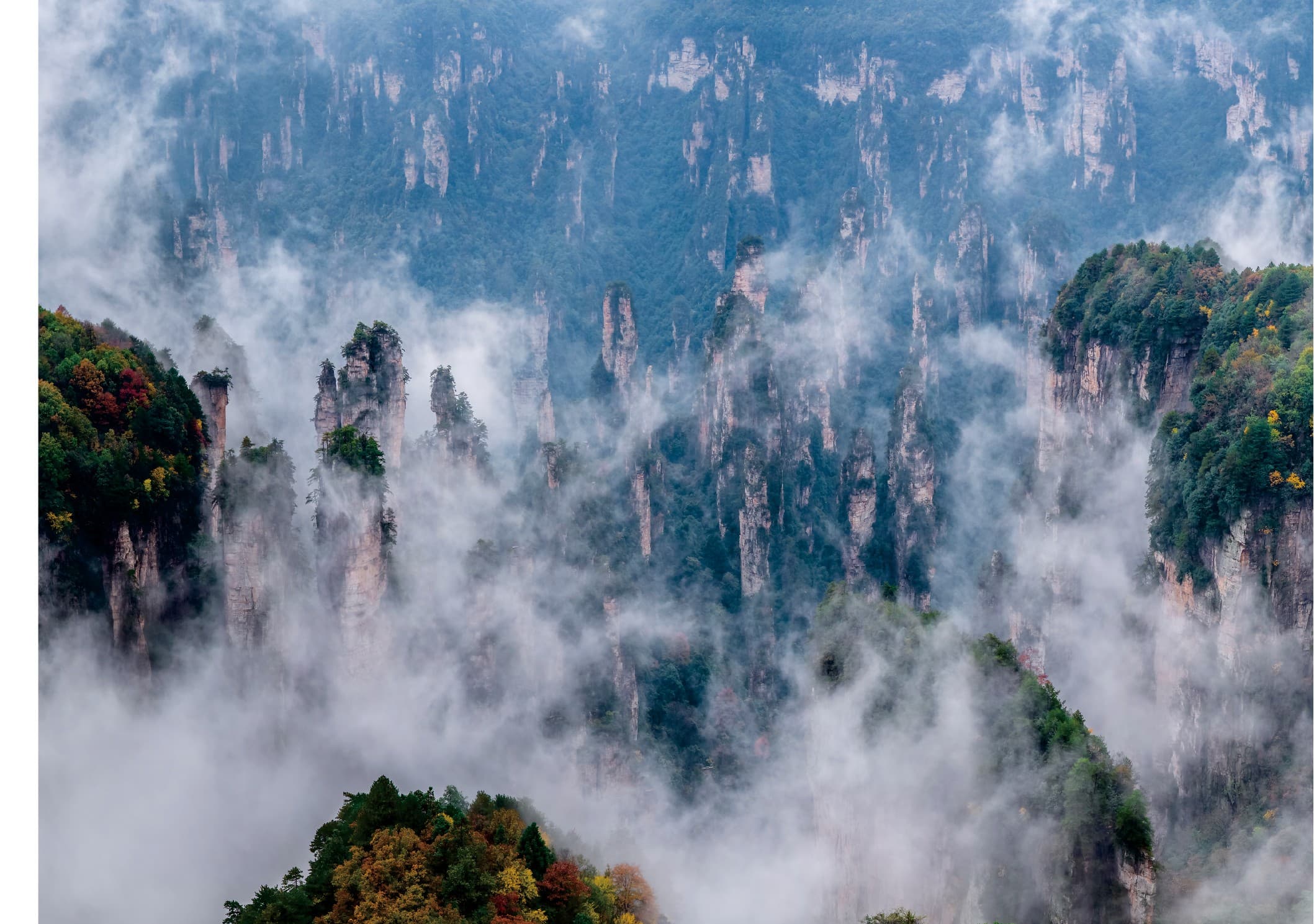
Dense cloud can hide distant pillars while creating the floating-mountain atmosphere Zhangjiajie is known for. Wet surfaces can also slow steps, transfers and queue movement.
- Clearer interval
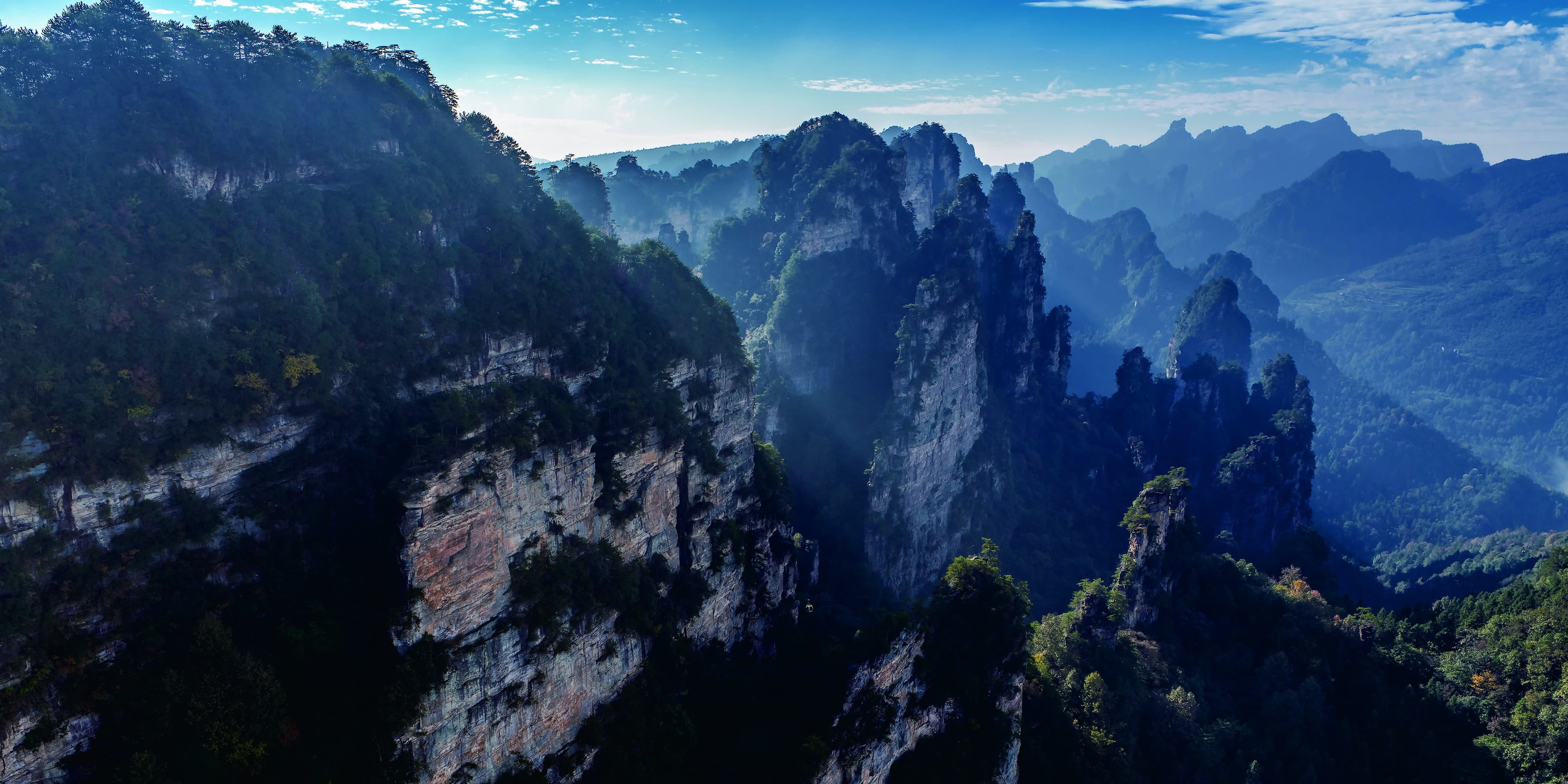
- Prioritise open viewpoints and longer sightlines.
- Mist or low cloud
- Use forest walks, closer rock formations and flexible timing.
- Persistent rain
- Reduce exposed walking and recheck transport operations.
Plan by priority
Start with the experience, then choose the date.
Pack for a mountain day
Prepare for change within the day.
Dry layer
A compact waterproof shell is more useful than relying on a perfect forecast.
Footing
Comfortable shoes with dependable grip support wet paths and long stair sections.
Temperature
Use removable layers for shaded valleys, exposed platforms and changing elevation.
Protection
Keep water, sun protection and a dry place for travel documents and electronics.
Questions visitors ask
When to Visit FAQs
Is there one best month for Zhangjiajie?
No. Different weather creates different experiences. Choose according to walking comfort, landscape mood and the flexibility of your wider China journey.
Does rain ruin a visit?
Not automatically. Rain can reduce distant visibility but create dramatic mist. Heavy or persistent rain may require route, transport or walking changes.
Can the route be fixed before the forecast?
The structure can be planned, but the order of viewpoints and walking sections should remain adjustable until current conditions are checked.
What should photographers prioritise?
Build in time rather than chasing a single guaranteed viewpoint. Light, cloud and visibility can change quickly across different elevations.